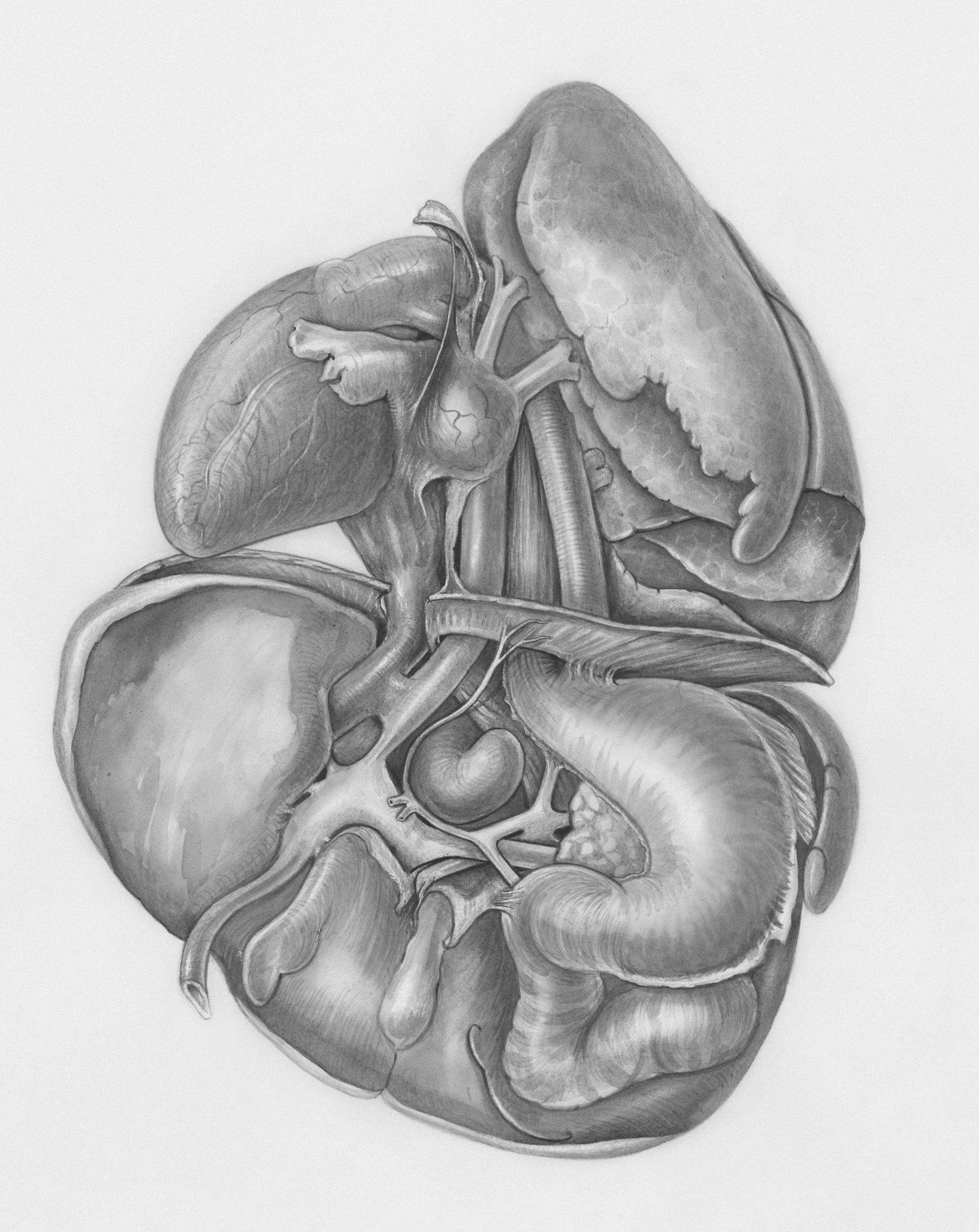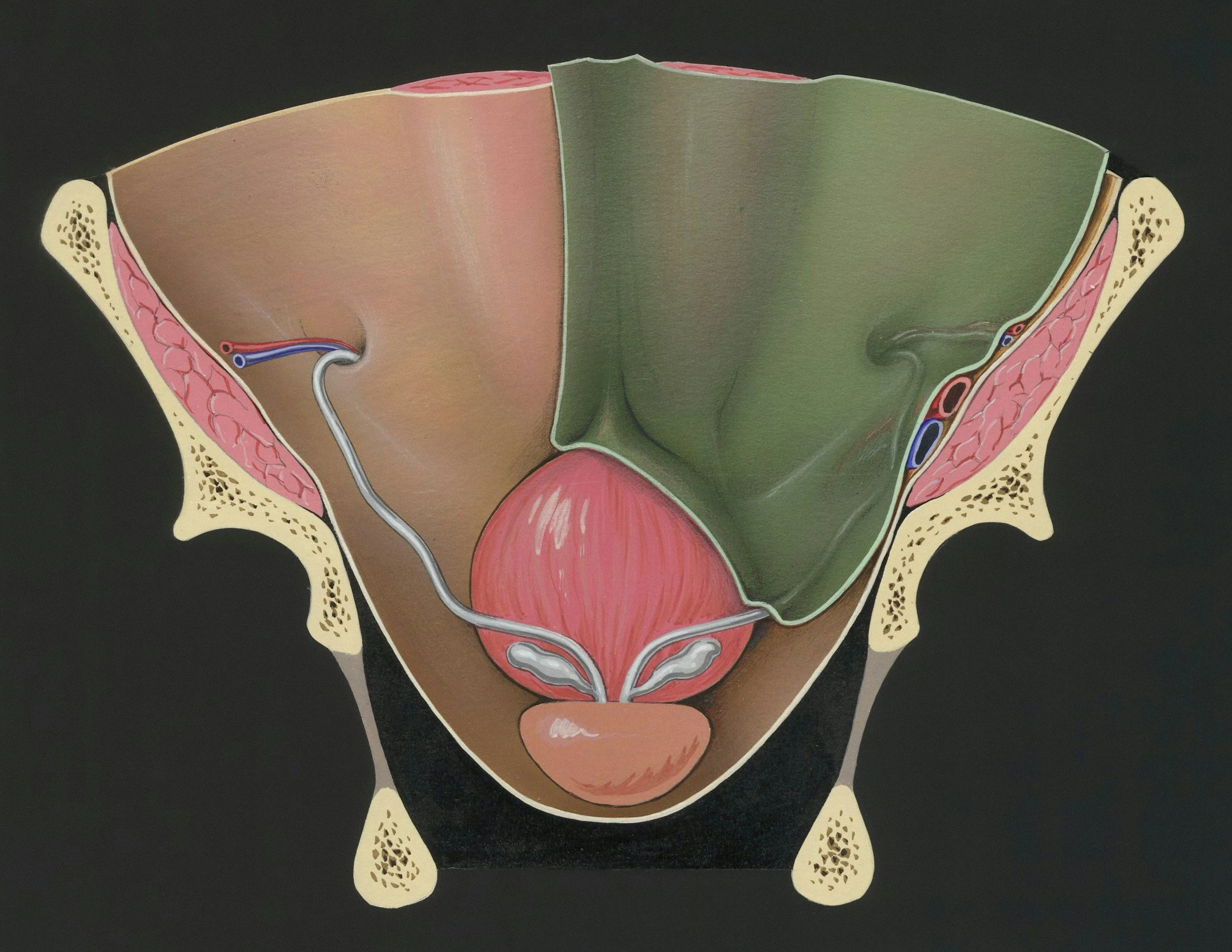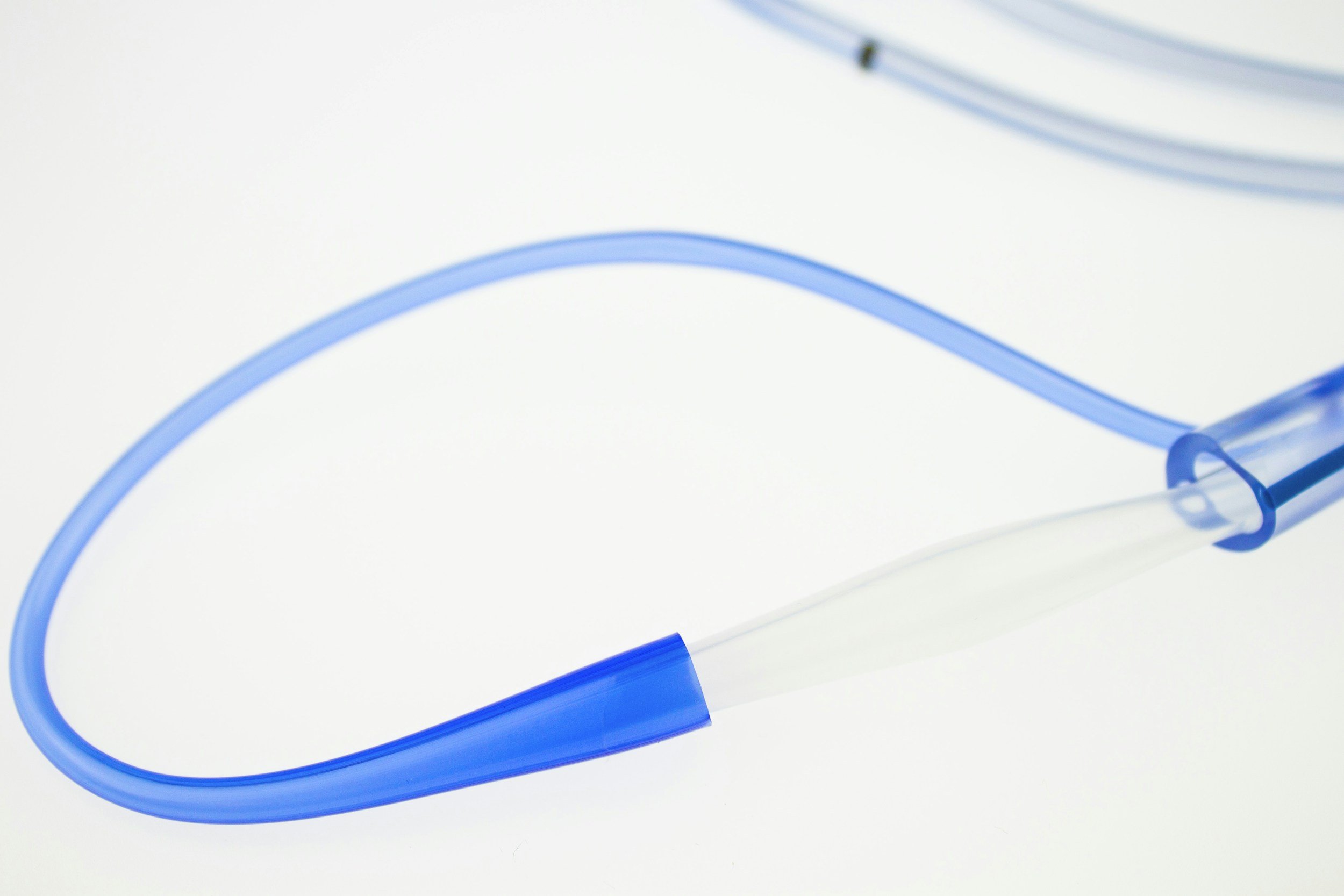
Placing an image-guided drainage catheter requires precise medical imaging to identify the target within an organ or cavity. Explore the clinical benchmarks for these procedures and how target identification failures impact patient safety.

When considering the treatment of patients with acute stroke, primary prevention focuses on limiting the size of the stroke in evolution. When a patient presents near the actual onset time, time sensitive therapies can be considered. In the case of wake-up stroke (stroke upon awakening), precise onset time is uncertain and treatments often focus on secondary prevention. For patients who present within 24 hours of onset time, catheter-based interventions are sometimes offered if imaging confirms a small territory of stroke injury and a large area at risk is seen in the setting of a large artery filling defect or occlusion. A filling defect of the distal right ICA near the vessel terminus where it branches into the two named vessels, the right MCA and ACA represents a focal stenotic lesion that must be appreciated and treated in a timely fashion with proper precautionary measures to limit stroke progression.
Transfer to a certified stroke center for further work up and management is typically required. The identification of potential regions associated with restricted diffusion that could account for the presenting complaint warrant urgent neurological consultation prior to discharge. Treatment with hypervolemia, permissive hypertension, and antithrombotic medications may be required to limit stroke extension while the etiology of the stroke is identified and the best measures for secondary prevention determined.
At all times, the goal of treatment should be to limit the size of the stroke and further brain injury to regions at risk. MRI should not be presumed normal just because a patient’s symptoms temporarily resolve. Stuttering or fluctuating symptoms are common in stroke patients and resolution of symptoms does not negate the importance of determining symptom etiology and instituting treatment.
Ultrasound examinations of intimate areas are inherently hands-on, time-intensive procedures requiring direct patient contact and exposure. While these exams follow strict clinical protocols, their nature can lead to misinterpretation and, in rare cases, allegations of misconduct. Understanding standard practices, patient safeguards, and the clinical context is essential when evaluating such claims.
Gunshot wound trajectory analysis can reveal critical details about the position and movement of a victim at the time of shooting. A sharply upward trajectory is highly unusual and often inconsistent with a victim running away, suggesting alternative scenarios such as a prone position or escape attempt from a vehicle or window.
Comprehensive overview of ophthalmologic trauma, including globe rupture, surgical repair, visual acuity assessment, vitrectomy, and long-term complications such as sympathetic ophthalmia and phthisis bulbi. This guide explains key eye injury terms, diagnostic tools, and treatment approaches relevant in medical and legal contexts.
This in-depth guide helps attorneys navigate physical therapy malpractice cases by defining the profession's scope, subspecialties, and clinical standards. Learn how physical therapy medical experts evaluate care quality, common legal pitfalls, and documentation practices to support or defend injury claims. Ideal for attorneys building strong arguments in negligence litigation involving rehabilitation professionals.
Thoracic surgery involves complex procedures within the chest cavity, addressing diseases of the lungs, esophagus, and mediastinum. Given the inherent risks and potential complications, malpractice claims often arise from surgical errors, delayed diagnoses, or informed consent issues. This detailed article explains the medical and legal intricacies, emphasizing the indispensable role of thoracic surgery medical experts in litigation contexts.
Otology and neurotology medical experts play a pivotal role in medical malpractice litigation involving ear disorders and neurological conditions of the skull base. These specialists clarify standards of care, analyze surgical outcomes, and provide authoritative testimony on complex issues such as hearing loss, facial nerve injuries, acoustic neuromas, and informed consent disputes, often determining the outcome of cases through their expert opinions and insights.
Urology is a surgical and medical specialty dedicated to the diagnosis and treatment of conditions affecting the urinary tract and male reproductive system. For attorneys navigating malpractice litigation, understanding the scope of urology is essential—particularly how urology medical experts assess standard of care, determine causation, and testify in complex legal cases. This article offers a comprehensive overview of urology’s subspecialties, common malpractice claims, and the critical role of expert witnesses in achieving just outcomes.
Urgent care centers play a vital role in today’s healthcare system—but when a patient suffers harm, how is liability determined? This in-depth article explores the definition and scope of urgent care medicine and how urgent care medical experts help establish the standard of care in malpractice litigation. From missed diagnoses to failures in triage, attorneys will gain clarity on when and how expert testimony can make or break a case.